



Prevention
Prevention of atrial fibrillation and associated complications


PFA ablation works better than sham surgery in patients with atrial fibrillation
Read more: PFA ablation works better than sham surgery in patients with atrial fibrillationNew research shows that PFA ablation dramatically reduces atrial fibrillation recurrence and improves quality of life compared with a sham procedure.

Ablation for Persistent Atrial Fibrillation | EHRA 2026
Read more: Ablation for Persistent Atrial Fibrillation | EHRA 2026New research from EHRA 2026 shows that early ablation in persistent atrial fibrillation improves rhythm and quality of life compared to medication. Learn more about the CEPAF trial and its implications.

Atrial fibrillation – From symptoms to treatment
Read more: Atrial fibrillation – From symptoms to treatmentAtrial fibrillation is by far the most common heart rhythm disorder. About one in four (25%) can expect to get atrial fibrillation

What is an electrocardiogram (ECG or EKG)
Read more: What is an electrocardiogram (ECG or EKG)An electrocardiogram ECG is used to find out what kind of heart rhythm disorder you have. The ECG shows the electrical activity of your heart

Objectives of Atrial Fibrillation Treatment
Read more: Objectives of Atrial Fibrillation TreatmentThe primary purpose of treatment of atrial fibrillation is to protect you against blood clots or the development of heart failure.

Risk of Blood clots and severe bleeding
Read more: Risk of Blood clots and severe bleedingAtrial fibrillation increases the risk of blood clots, as during an episode the atria is not able to properly drain and can cause blood clots

What Are Anticoagulants?
Read more: What Are Anticoagulants?The most serious complication of atrial fibrillation is a blood clot in the brain, and anticoagulants are one of the best ways to avoid this.

Medical treatment of atrial fibrillation
Read more: Medical treatment of atrial fibrillationIn this article i will present different methods of medical treatment of atrial fibrillation, their effectiveness and their potential side effects.
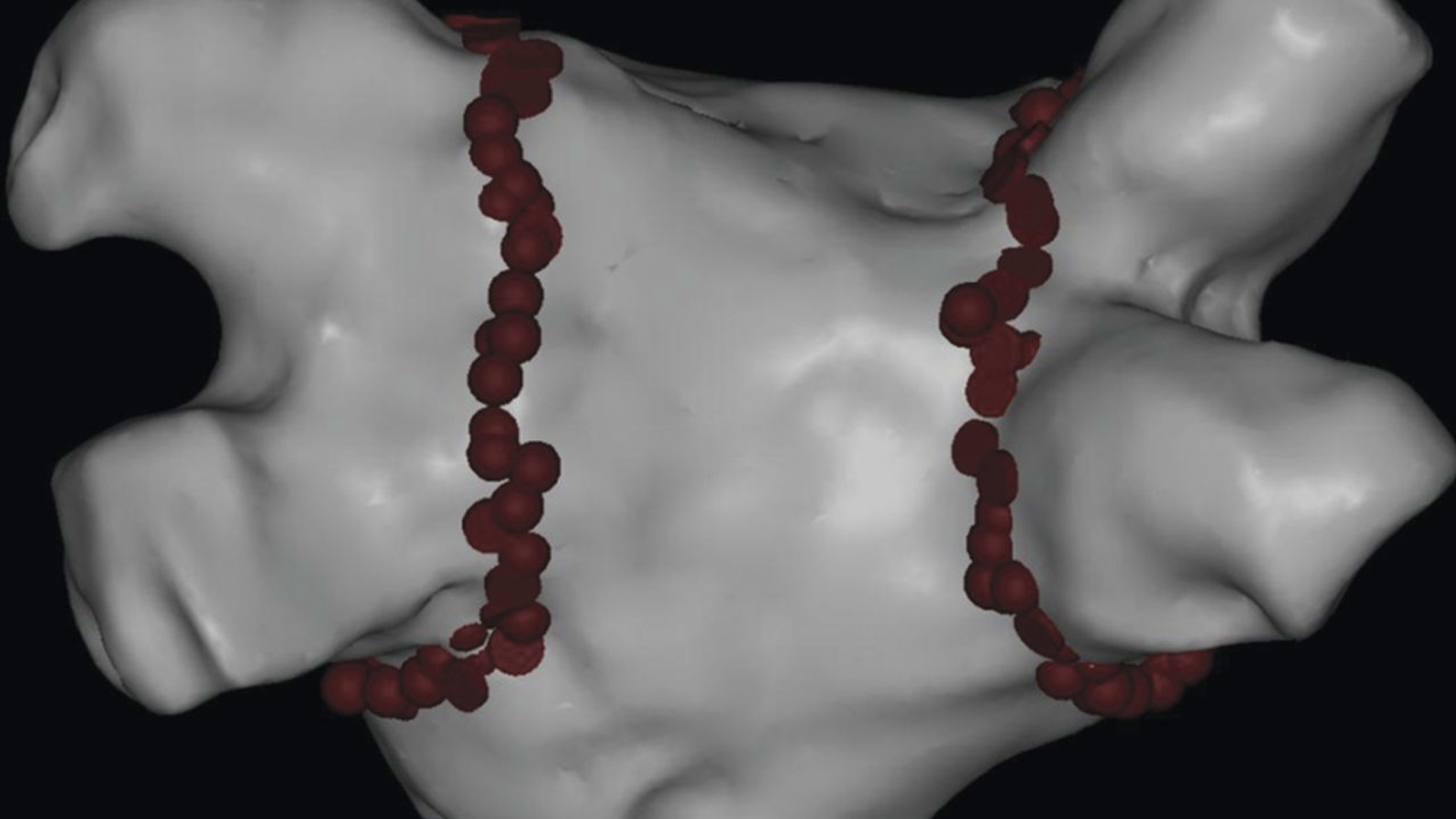
Ablation treatment for atrial fibrillation
Read more: Ablation treatment for atrial fibrillationAblation is very effective treatment for atrial fibrillation. This is especially true if the patient only has episodic atrial fibrillation.

How Effective Is Ablation Treatment for Atrial Fibrillation?
Read more: How Effective Is Ablation Treatment for Atrial Fibrillation?An ablation treatment is performed with a small instrument called an ablation catheter, which is inserted into the left atrium of the heart

When to consider ablation treatment for atrial fibrillation?
Read more: When to consider ablation treatment for atrial fibrillation?When assessing whether or not to do Ablation treatment for atrial fibrillation Your cardiologist will take a number of factors into account

Do you need general anesthesia to undergo an ablation treatment?
Read more: Do you need general anesthesia to undergo an ablation treatment?I have been asked several times for my position for or against general anesthesia during ablation treatment, this article covers my opinion

Direct Current Cardioversion – An Electric Shock That Makes Your Heart Beat Regularly
Read more: Direct Current Cardioversion – An Electric Shock That Makes Your Heart Beat RegularlyDC Conversion (Direct Current Cardioversion) delivers a direct current shock to the chest in an attempt to alter the rhythm of the heart.

What is a Maze Procedure?
Read more: What is a Maze Procedure?The Maze Procedure is a difficult operation, but is an effective treatment of atrial fibrillation with a modest risk for complications

What Is a His-Bundle Ablation?
Read more: What Is a His-Bundle Ablation?A Bundle of His ablation does not remove or cure atrial fibrillation, but it removes the effect the chaotic signals from AF has on the puls

How does closure of the left atrial auricle (LAAC) work?
Read more: How does closure of the left atrial auricle (LAAC) work?One of the most serious complications of atrial fibrillation is a blood clot in the brain. These clots are caused by closure of the left atrial auricle (LAAC)

A Brief History of Atrial Fibrillation
Read more: A Brief History of Atrial FibrillationThe earliest evidence of humanity’s understanding of heart disease is found in ancient Egypt, Greece, and Mesopotamia.

What is Ventricular tachycardia?
Read more: What is Ventricular tachycardia?Ventricular tachycardia is a disruption of the heart rhythm disorder that occurs in the heart chambers (ventricles).
