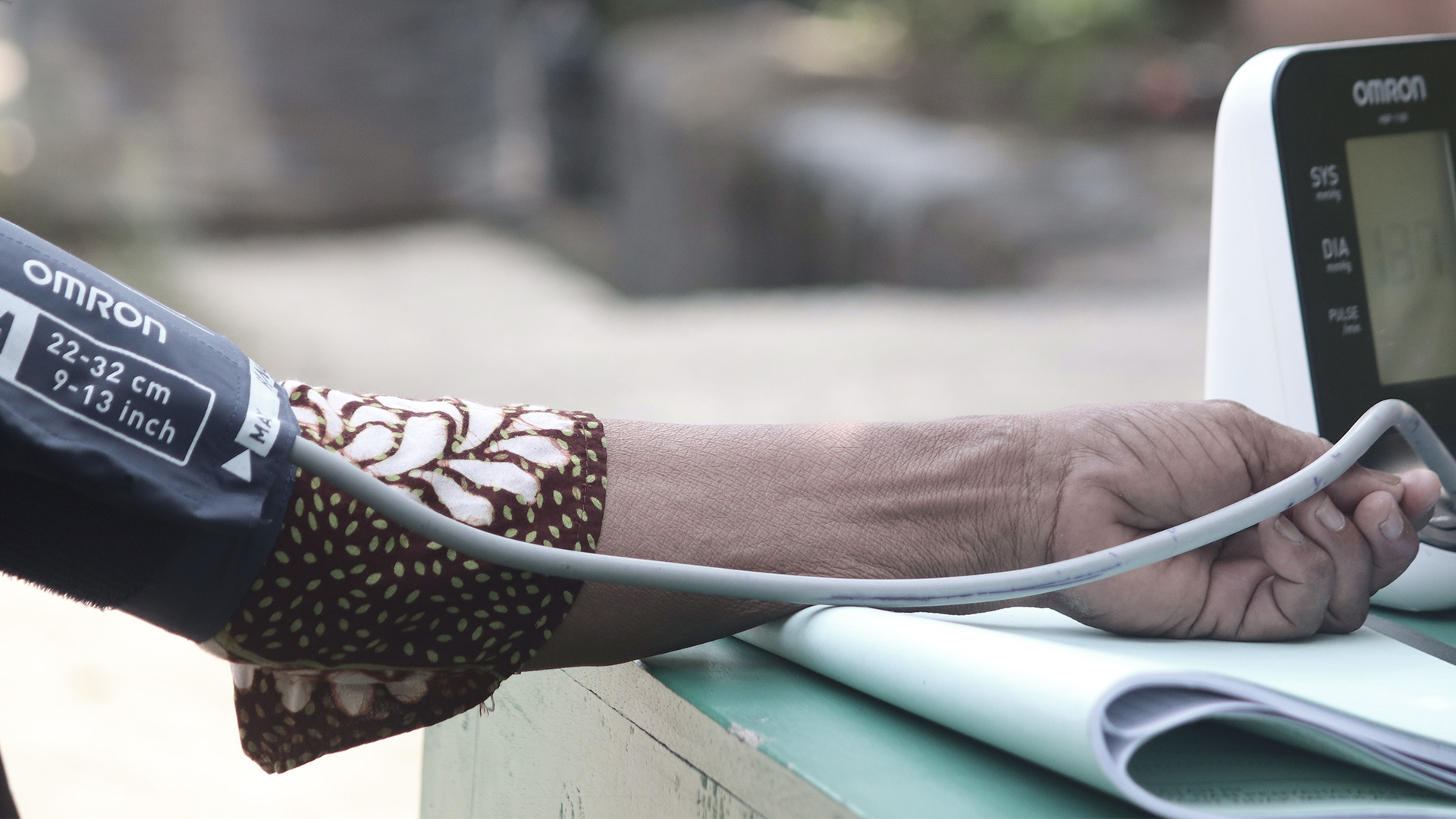
High blood pressure (Hypertension)
Læs mere: High blood pressure (Hypertension)High blood pressure can strain the heart and blood vessels which can lead to an increased risk of atrial fibrillation and heart failure.

How Does Your Weight Affect Atrial Fibrillation?
Læs mere: How Does Your Weight Affect Atrial Fibrillation?New studies explain more about the connection between excess weight and atrial fibrillation, and the effect weight loss has on afib.

Atrial fibrillation and alcohol
Læs mere: Atrial fibrillation and alcoholIt is important to understand the difference between alcohol as a risk factor for developing atrial fibrillation or as a risk factor for relapse

Stress and Atrial Fibrillation
Læs mere: Stress and Atrial FibrillationThis article will cover the relationship between stress and atrial fibrillation as a risk factor for development and as a trigger of afib.

Healthy lifestyle and Atrial Fibrillation
Læs mere: Healthy lifestyle and Atrial FibrillationA Healthy lifestyle and Atrial Fibrillation means a moderate alcohol consumption, weight loss, physical activity, and a healthy diet.

What is an electrocardiogram (ECG or EKG)
Læs mere: What is an electrocardiogram (ECG or EKG)An electrocardiogram ECG is used to find out what kind of heart rhythm disorder you have. The ECG shows the electrical activity of your heart

The Latest Research On Alcohol and Atrial Fibrillation
Læs mere: The Latest Research On Alcohol and Atrial FibrillationThere has been agreement for many years that there is a link between alcohol and atrial fibrillation, as a risc factor and a trigger of afib.

Objectives of Atrial Fibrillation Treatment
Læs mere: Objectives of Atrial Fibrillation TreatmentThe primary purpose of treatment of atrial fibrillation is to protect you against blood clots or the development of heart failure.

Atrial fibrillation and age
Læs mere: Atrial fibrillation and ageAtrial fibrillation becomes much more common the older we get. In particular, the risk increases when we reach the age of 65-70 and older.

Risk of Blood clots and severe bleeding
Læs mere: Risk of Blood clots and severe bleedingAtrial fibrillation increases the risk of blood clots, as during an episode the atria is not able to properly drain and can cause blood clots