



All articles
This is an uncategorized list of all articles

PFA ablation works better than sham surgery in patients with atrial fibrillation
Read more: PFA ablation works better than sham surgery in patients with atrial fibrillationNew research shows that PFA ablation dramatically reduces atrial fibrillation recurrence and improves quality of life compared with a sham procedure.

Ablation for Persistent Atrial Fibrillation | EHRA 2026
Read more: Ablation for Persistent Atrial Fibrillation | EHRA 2026New research from EHRA 2026 shows that early ablation in persistent atrial fibrillation improves rhythm and quality of life compared to medication. Learn more about the CEPAF trial and its implications.

Video Collection: Treatment and Prevention
Read more: Video Collection: Treatment and PreventionThis video collection will give you a better understanding of the different types of treatment for atrial fibrillation, as well as the primary risk factors that you can do something about either through lifestyle changes or medication.

What Is Atrial Fibrillation (AF)?
Read more: What Is Atrial Fibrillation (AF)?What is Atrial Fibrillation? is the most commonly diagnosed form of arrhythmia. One in four of us will be diagnosed with AF

How To Check Your Pulse – it Could Save Your Life
Read more: How To Check Your Pulse – it Could Save Your LifeSuspicion of atrial fibrillation can often be obtained simply by measuring the heart rate. Therefore, you should know how to check your pulse

Atrial fibrillation – From symptoms to treatment
Read more: Atrial fibrillation – From symptoms to treatmentAtrial fibrillation is by far the most common heart rhythm disorder. About one in four (25%) can expect to get atrial fibrillation

Unnoticed factors that can trigger atrial fibrillation
Read more: Unnoticed factors that can trigger atrial fibrillationThere are many factors that can trigger atrial fibrillation – understanding these can help you avoid developing or worsening your afib.

High blood pressure (Hypertension)
Read more: High blood pressure (Hypertension)High blood pressure can strain the heart and blood vessels which can lead to an increased risk of atrial fibrillation and heart failure.

How Does Your Weight Affect Atrial Fibrillation?
Read more: How Does Your Weight Affect Atrial Fibrillation?New studies explain more about the connection between excess weight and atrial fibrillation, and the effect weight loss has on afib.

Atrial fibrillation and alcohol
Read more: Atrial fibrillation and alcoholIt is important to understand the difference between alcohol as a risk factor for developing atrial fibrillation or as a risk factor for relapse

Stress and Atrial Fibrillation
Read more: Stress and Atrial FibrillationThis article will cover the relationship between stress and atrial fibrillation as a risk factor for development and as a trigger of afib.

Healthy lifestyle and Atrial Fibrillation
Read more: Healthy lifestyle and Atrial FibrillationA Healthy lifestyle and Atrial Fibrillation means a moderate alcohol consumption, weight loss, physical activity, and a healthy diet.

What is an electrocardiogram (ECG or EKG)
Read more: What is an electrocardiogram (ECG or EKG)An electrocardiogram ECG is used to find out what kind of heart rhythm disorder you have. The ECG shows the electrical activity of your heart

The Latest Research On Alcohol and Atrial Fibrillation
Read more: The Latest Research On Alcohol and Atrial FibrillationThere has been agreement for many years that there is a link between alcohol and atrial fibrillation, as a risc factor and a trigger of afib.

Objectives of Atrial Fibrillation Treatment
Read more: Objectives of Atrial Fibrillation TreatmentThe primary purpose of treatment of atrial fibrillation is to protect you against blood clots or the development of heart failure.

Atrial fibrillation and age
Read more: Atrial fibrillation and ageAtrial fibrillation becomes much more common the older we get. In particular, the risk increases when we reach the age of 65-70 and older.

Risk of Blood clots and severe bleeding
Read more: Risk of Blood clots and severe bleedingAtrial fibrillation increases the risk of blood clots, as during an episode the atria is not able to properly drain and can cause blood clots

What Are Anticoagulants?
Read more: What Are Anticoagulants?The most serious complication of atrial fibrillation is a blood clot in the brain, and anticoagulants are one of the best ways to avoid this.

Medical treatment of atrial fibrillation
Read more: Medical treatment of atrial fibrillationIn this article i will present different methods of medical treatment of atrial fibrillation, their effectiveness and their potential side effects.
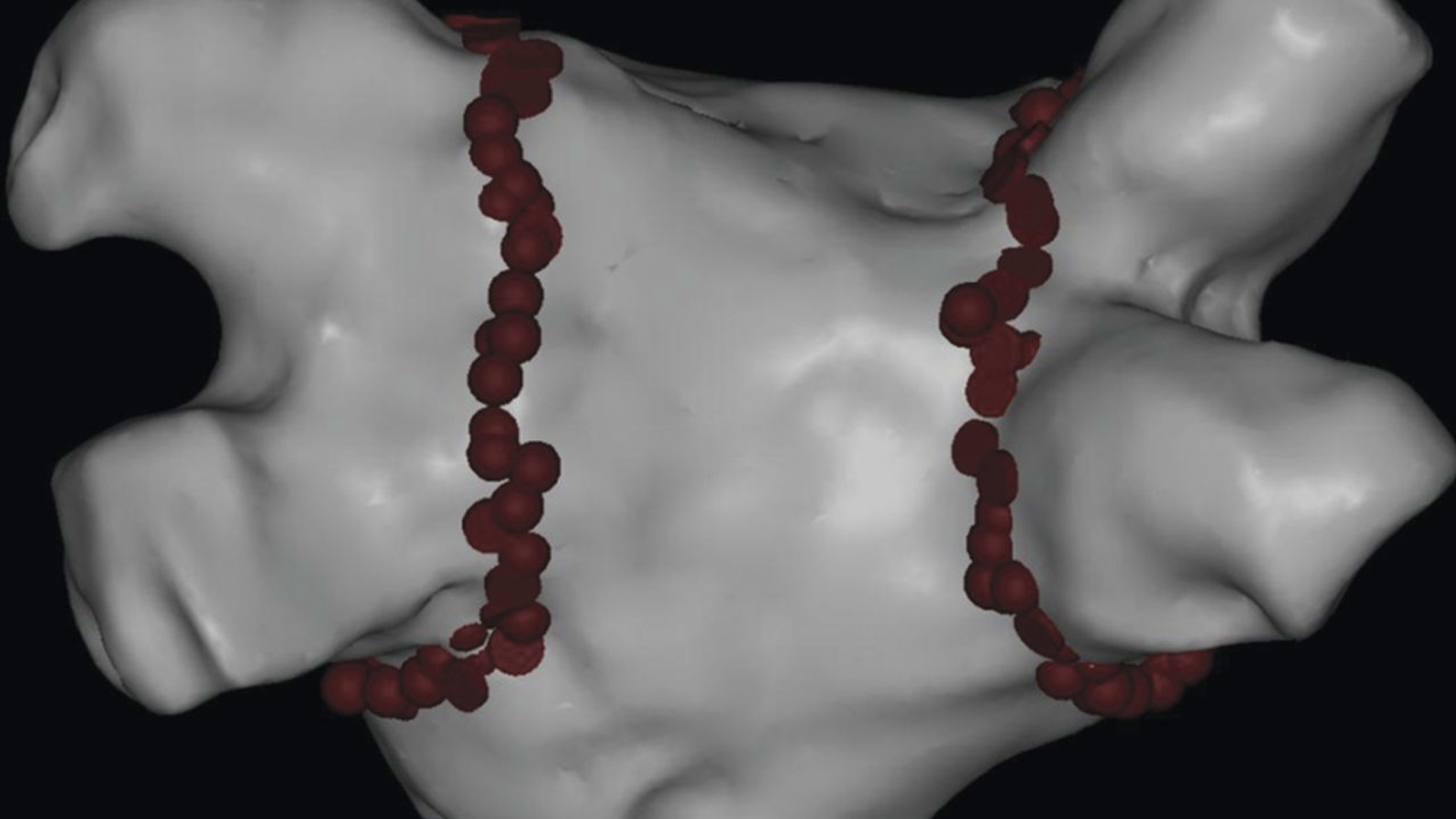
Ablation treatment for atrial fibrillation
Read more: Ablation treatment for atrial fibrillationAblation is very effective treatment for atrial fibrillation. This is especially true if the patient only has episodic atrial fibrillation.
